Salisbury Cathedral and the 1215 Magna Carta
Overview
Included
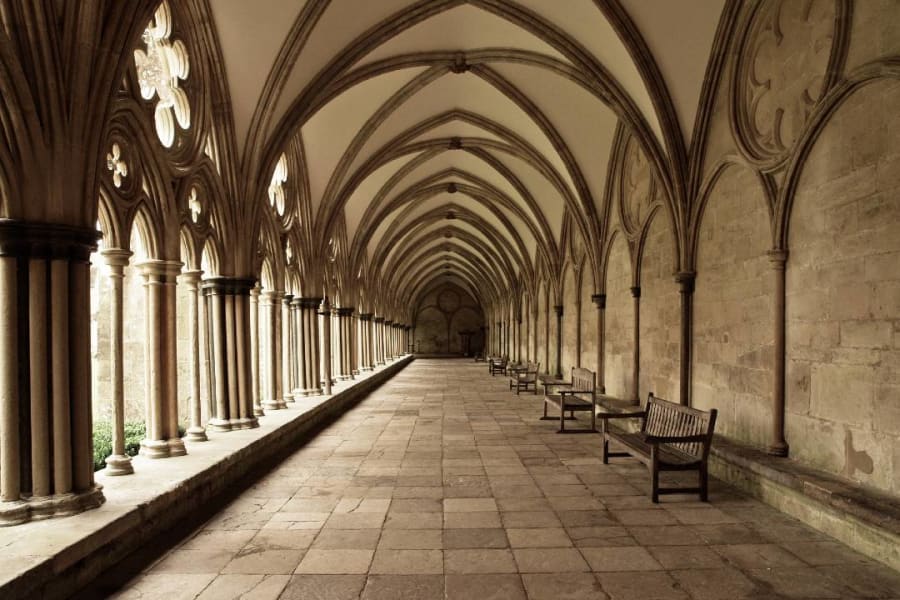
- Full access to the Cloisters, Close and Chapter House housing the 1215 Magna Carta
- The one-way system takes visitors out via the Cathedral Works Yard, offering a sneak peak behind the scenes where all restoration and repair work is done
Excluded
- Transport
- Food and drink
Important information
Days of Operation
Monday to Saturday:
Cathedral: 9.30am to 4pm (last bookable time slot)
Chapter House (for Magna Carta): 10am to 5pm
Refectory Café and Bell Tower: 9.30am to 5pm
Sunday:
Cathedral: 12.30pm to 3pm (last bookable time slot)
Chapter House (for Magna Carta): 1pm to 4pm
Refectory Café and Bell Tower: 11am to 4pm
01 November 2026 – 28 February 2027
Monday to Saturday:
Cathedral: 10am to 3.30pm (last bookable time slot)
Chapter House (for Magna Carta): 10.30am to 4.30pm
Refectory Café and Bell Tower: 9.30am to 5pm
Sunday:
Cathedral: 12.30pm to 3pm (last bookable time slot)
Chapter House (for Magna Carta): 1pm to 4pm
Refectory Café and Bell Tower: 11am to 4pm
Highlights
More information
Salisbury Cathedral sits on an 80-acre walled Close and is situated around a 1 hour drive from London. The Cathedral is an early English example of Gothic architecture and was built over a 38 year period between 1220 and 1258. Here, you can view Britain’s tallest spire at 123 metres and the world’s oldest working mechanical clock, dating back to 1836.
1215 Magna CartaSalisbury Cathedral houses the finest surviving of the worlds remaining four versions of the great charter, more famously known as the 1215 Magna Carta. The Magna Carta is a UNESCO protected document and is permanently housed in the Cathedral’s 13th century stone carved Chapter House, which depicts sixty Old Testament scenes. The Magna Carta is a legal document that was issued by King John in June 1215, to outline certain rights of individuals. It has over 60 clauses, covering many areas of the nation’s life, including the right to a fair trial.
Click here to view closure information